
Understanding Cognitive Biases in Gambling
The world of casino gaming is deeply intertwined with human psychology. Players often fall prey to various cognitive biases that can influence their decision-making and, consequently, their outcomes. One prevalent bias is the “illusion of control,” where individuals believe they can influence random events, such as the spin of a roulette wheel or the draw of a card, through personal rituals or superstitions. This perceived control can lead to increased risk-taking and a disregard for the inherent probabilities of the game. For those seeking a comprehensive online gaming experience, exploring options like crowngreen casino canada can be a starting point for understanding various platforms.
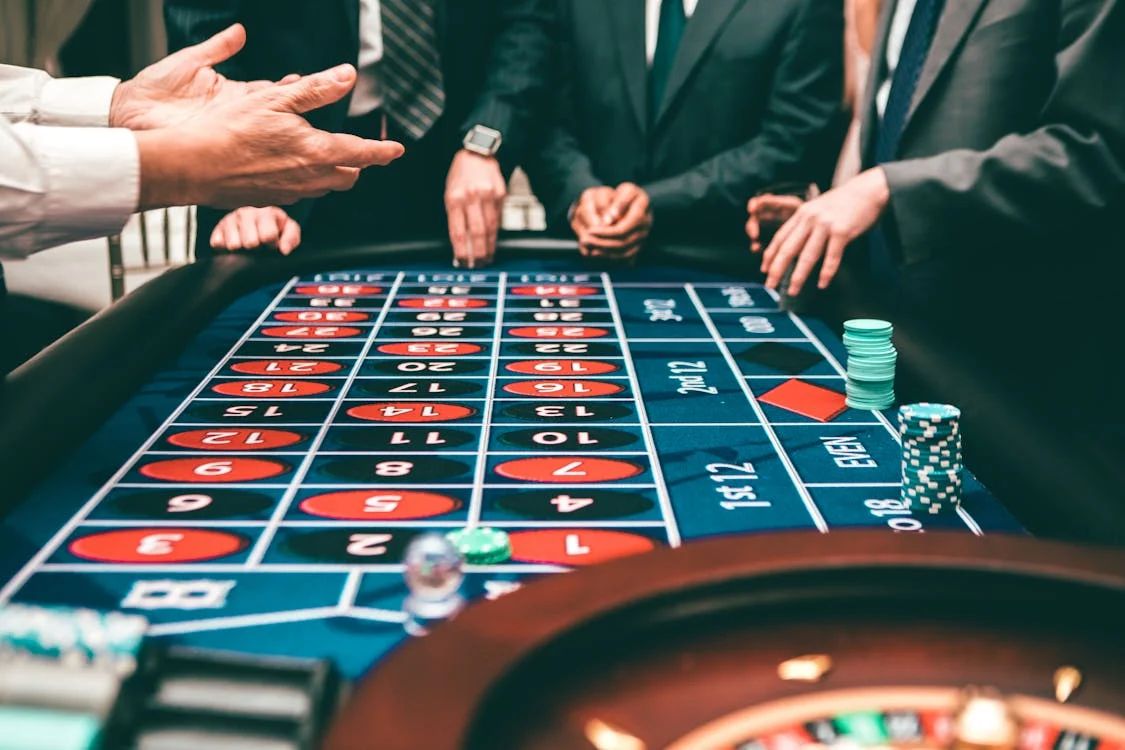
Another significant bias is the “gambler’s fallacy,” the mistaken belief that if something occurs more frequently than normal during a given period, it will occur less frequently in the future, or vice versa. For instance, believing that a slot machine is “due” for a win after a long streak of losses. This fallacy ignores the independent nature of most casino games, where each round is a fresh event not influenced by past results. Recognizing these biases is the first step towards making more rational decisions at the casino.
The Role of Emotional Regulation in Gaming
Emotional states significantly impact a gambler’s behaviour and judgment. Excitement can amplify the thrill of winning, leading to overconfidence and continued play, while frustration from losses can prompt impulsive decisions in an attempt to recoup funds quickly. This emotional rollercoaster can derail strategic thinking and lead to detrimental financial consequences. Maintaining emotional equilibrium is crucial for disciplined gaming.
Effective emotional regulation involves developing strategies to manage both positive and negative feelings experienced during gameplay. This might include setting strict time limits, taking breaks when emotions run high, or practicing mindfulness techniques to stay grounded. Understanding how emotions can influence bankroll management and game selection is paramount to a sustainable and enjoyable gaming experience.
Exploiting Heuristics and Decision-Making Frameworks
Heuristics, or mental shortcuts, are commonly used in decision-making, and casinos are designed to leverage them. For example, the “availability heuristic” might lead a player to overestimate the likelihood of winning based on vivid memories of past wins or the visible presence of jackpot displays. Conversely, the “representativeness heuristic” can lead to the gambler’s fallacy, where a recent run of losses is seen as unrepresentative of the true probability of winning.
To counteract these psychological influences, players can adopt structured decision-making frameworks. This involves relying on objective data and probabilities rather than intuition or emotional responses. For instance, understanding the house edge of different games and prioritizing those with lower edges can be a more effective strategy than chasing perceived “hot” streaks. Applying a rational approach, informed by game mechanics rather than psychological traps, is key to navigating the casino environment.
The Impact of Reinforcement Schedules on Player Behaviour
Casinos effectively utilize principles of operant conditioning, particularly variable reinforcement schedules, to keep players engaged. Slot machines, for example, are programmed with unpredictable payout patterns. This variability is highly effective in maintaining behaviour because players never know when the reward will come, making the act of playing continuously rewarding. The intermittent nature of wins, coupled with the near-misses (almost winning), creates a powerful psychological hook.
This reinforcement strategy can lead to a cycle where players continue to wager, hoping for the next big win, even when facing losses. The anticipation of a reward, combined with the social atmosphere and the immediate feedback of gameplay, reinforces the behaviour. Understanding these reinforcement schedules helps players recognize why they might feel compelled to continue playing and allows them to implement self-imposed limits more effectively, ensuring their gaming remains within responsible boundaries.

Crowngreen Casino Canada: A Platform for Strategic Gaming
Crowngreen Casino Canada offers a vast selection of over 6,000 games, providing a dynamic environment where understanding psychological models can be particularly beneficial. The sheer variety of options, from classic slots to live dealer games, means players can choose games that align with their preferred risk levels and strategic approaches. By recognizing cognitive biases and emotional influences, Canadian players can navigate this extensive library more effectively.
The platform’s focus on fast payouts and a seamless gaming journey at Crowngreen Casino Canada also plays into psychological factors. Quick access to winnings can reinforce positive gaming experiences, while a smooth interface minimizes frustration, allowing for more focused decision-making. Players who approach their sessions at Crowngreen Casino Canada with an awareness of psychological principles can enhance their enjoyment and potentially their long-term results in a secure gaming space.