
Live casino game shows explained for Australian players who want the pace of a studio show with the honesty of a live dealer. These formats sit between a traditional table and a televised game, with a real presenter calling the action while software handles the rounds. The appeal is straightforward: you can follow the broadcast, place bets in your own time, and watch each outcome unfold on camera. For adults 18+ looking for something more structured than a spinning wheel, this is where the format earns its keep.
When I negotiate cross-border partnerships, I always check whether a studio can run the same sequence in two languages without the presenter stumbling over numbers or regional slang. That same discipline matters here. A well-run show keeps the betting window clear, repeats the rules without waffle, and makes the paylines visible from the first round. If the broadcast feels rushed or the host cuts corners on the explanation, you are better off moving to a simpler table.
How the format works on screen
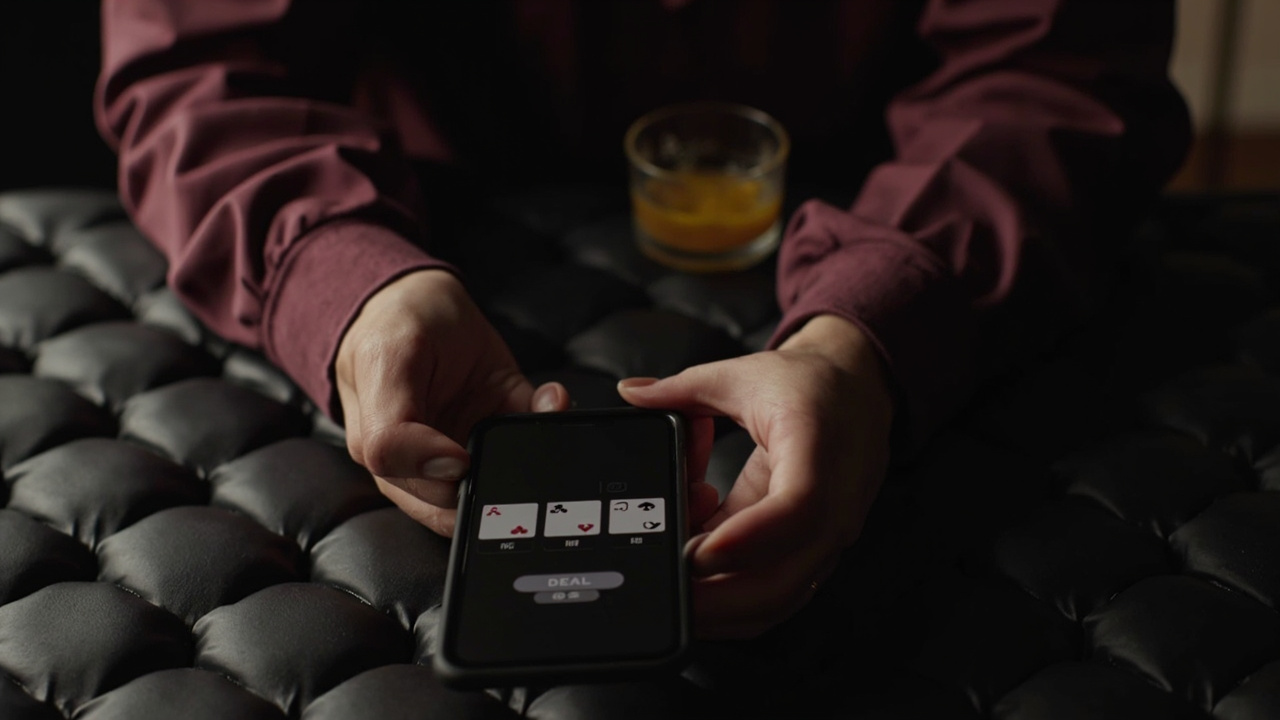
A live game show runs on a fixed loop: the presenter opens the round, the betting timer counts down, the game mechanism fires, and the result displays on the same feed you are watching. The dealer or host does not decide the outcome; a certified random engine or physical mechanism does, and the camera simply records it. That separation is worth keeping in mind, because it is what separates a show from a table where the dealer shuffles and draws in real time.
The betting screen usually sits beside the video feed, with chips or click-to-place markers that lock in before the timer ends. After the round, the same screen shows the result, any payout, and your running balance. Good operators keep the layout uncluttered so you can read the current round, the next round, and your active bets without hunting around. If the interface looks cramped on a phone, the show is probably better played on a larger screen or from a desktop where the timer and result are easier to track.
Regional New South Wales players often play after work, and the timing matters more than people admit. A show that runs on a steady loop with clear countdowns suits an arvo session where you want a set number of rounds rather than an open-ended table. When I review a studio for a partner market, I check whether the host pauses long enough for a late bet without breaking the rhythm. That small detail is what keeps the format readable instead of turning it into a blur of flashing lights.
| Feature | What you usually see | What to check before playing |
|---|---|---|
| Presenter | Live host calling the round | Clear pronunciation, steady pace, no rushed numbers |
| Betting window | Timer with lock-in | Enough time to place a bet, visible countdown |
| Result display | On-screen outcome and payout | Result shown on the feed, not only in the bet slip |
| Stream quality | HD video with minimal lag | Stable feed on mobile, no repeated buffering |
Where the review focus fits: trust, support, account controls
This is where the review focus earns its place, because a polished show means little if the operator behind it is sloppy. Licensing should be stated plainly on the site, not buried under a generic banner. Security basics matter too: a connection that encrypts your session, a login that asks for proper verification, and a payment path that does not ask you to retry the same deposit three times. If the operator cannot explain its licence in one sentence, treat that as a warning rather than a quirk.
Support is the part most players skip until something goes wrong, which is exactly when it matters. A decent live chat or phone line should answer a straightforward question about a bet, a round, or a pending withdrawal without making you repeat yourself. When I compare operators for a partner launch, I judge support by how they handle a simple account-control question, not by how fast they reply to a promo code. The test is practical: can you change a password, check a pending transaction, and set a limit without being passed around three different teams?
Responsible-play tools should be visible before you place the first bet, not hidden behind a footer link. Deposit limits, session reminders, and a clear way to pause or close an account are the baseline. Australia’s gambling laws differ markedly between states and territories, so a site that talks about local compliance in vague terms is not earning trust. You want an operator that states its position plainly and gives you controls that actually stick, rather than a long disclaimer that goes nowhere.
Two player-fit scenarios for the format
The first scenario is a player who wants a fixed number of rounds with a clear end point. Someone who has worked a long day and wants a set run of games, not an open table that runs until they lose focus, tends to suit the show format well. The betting window, the count-down, and the result on screen all help here, because you can plan a short session and stop when the timer or your own limit tells you to. That is not a promise of a better result; it is just a cleaner structure for a player who wants boundaries.
The second scenario is a player who enjoys watching the action but does not want to study a rulebook before every round. A show with a presenter who explains the next round in plain language can suit that style, especially if the same rules repeat from one round to the next. I have seen partners cut a format because the host mixed up the call-outs and players started second-guessing the result. A clean repetition is worth more than a flashy intro, and it is usually the difference between a show you return to and one you close after two rounds.
If you like a bit of table culture, you may have heard the old casino slang where a George is a generous tipper and a stiff is one who does not tip at all. That language belongs to a different setting, but the habit behind it still shows up here: some players enjoy the human side of a live host, while others only care about the result on the board. Neither approach is wrong, but it helps to pick a format that matches how you actually want to sit in front of the screen. If you prefer a presenter who keeps the pace and leaves the numbers alone, look for a show that repeats the same call each round rather than one that leans on improv.
Practical checks before you sit in for a round
Before you place anything, check the betting range and the currency shown on the table. A show that lists limits in a currency you do not use will slow you down and can make the payouts harder to read at a glance. If the operator offers more than one currency or a clear conversion path, that is worth noting; if it does not, you are better off knowing that before you fund the account. The same goes for registration: a sign-up that asks for the right details up front is easier to manage than one that keeps requesting documents after you have already deposited.
Mobile play is where many players will sit in, so the stream, the timer, and the bet buttons all need to work on a phone without fiddly tapping. A show that looks fine on a laptop can become awkward on a small screen if the result overlay hides the betting panel or the timer sits too close to the edge. When I test a format for a partner, I check the mobile feed on a standard connection, not a perfect one, because that is the condition most players actually use. If the stream drops every time the round gets busy, the format is not ready for a phone-first audience.
A good show also keeps the rules readable without forcing you to memorise them. One example I have seen work well is a simple naming choice that avoids confusion at the table: Yo-leven avoids confusing eleven with seven at the table, which sounds minor until you have watched a player misinterpret a call mid-round. Small clarity choices like that are what make a format feel steady instead of gimmicky. If the host has to keep stopping to explain the same point, the round loses pace and the betting window feels shorter than it is.
If you want a starting point that keeps the review focus in view, check the operator’s licence line, the support channel, and the account controls before you watch a single round. A site that puts those pieces in order is easier to judge than one that leads with a flashy homepage and leaves the boring details for later. For a clear place to compare operators and read how each one handles the basics, you can visit https://playvegashero.org/ and use that as a reference point rather than a shortcut. The point is to compare the same things across each operator, not to chase a headline.
A short list helps here, because the format is easy to overthink and harder to test properly:
- Check the licence line and where it sits on the site
- Open the support channel and ask one plain account question
- Read the deposit limit and session tools before funding
- Watch one full round on the device you actually use
- Note the currency, the betting range, and the result display
What to carry into your next session
Live casino game shows explained in plain terms come down to three things: a clear broadcast, a steady betting window, and an operator that handles the boring parts properly. The format suits a player who wants a set run of rounds with a visible result, and it suits someone who prefers a presenter who repeats the same rules instead of improvising every time. It does not remove variance, and it does not make any round easier to predict, so the sensible approach is to treat it as a structured way to play rather than a shortcut to a better result.
If you are testing the format for the first time, pick one show, watch a full round on the device you will actually use, and check the account controls before you place a bet. That is usually enough to tell you whether the pace suits you and whether the operator is organised enough to trust with a small session. Keep the session within a limit you set beforehand, and treat the result as the result rather than a pattern to read into.