
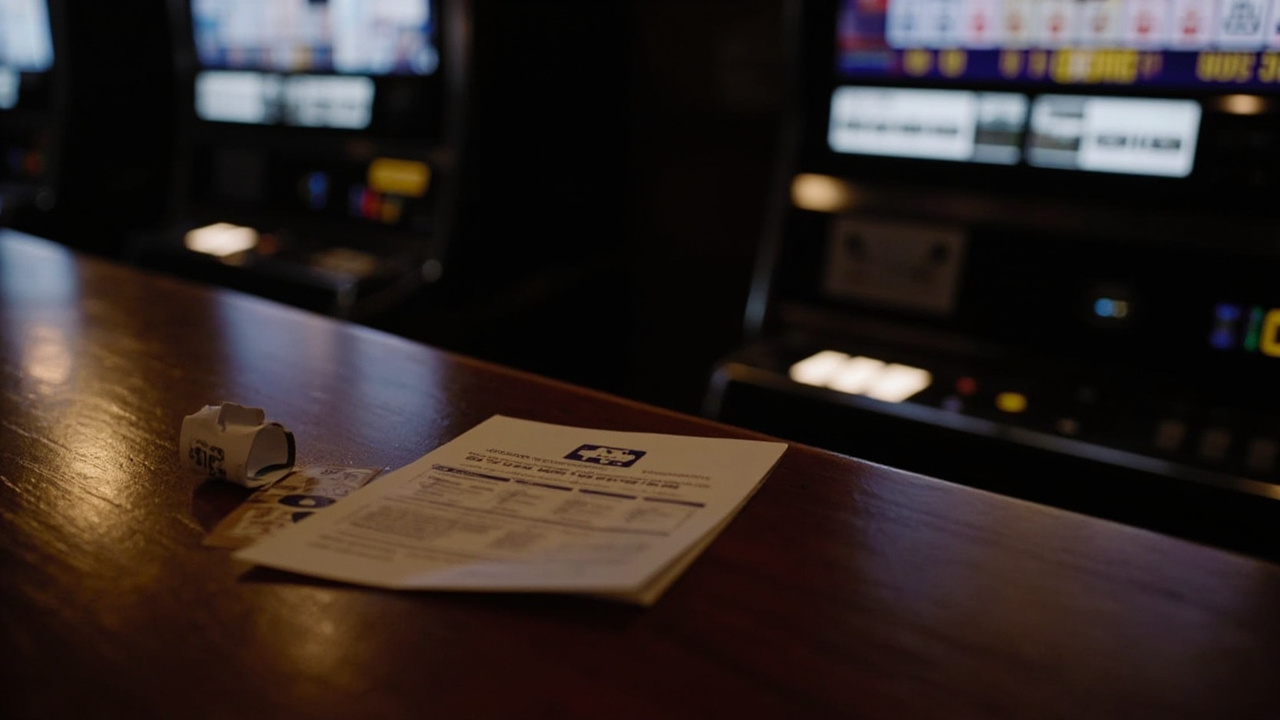
The next time you sit down for a spin or a hand, the machine will quietly hand you a lever, a card, or a button and tell you it is all in your hands. That feeling is the casino illusion of control, and it is one of the oldest tricks in the building. I have watched wagering dashboards and racing feeds for years, and the pattern is the same everywhere: the interface gives you a sense of agency while the maths keeps running in the background. Fairgo casino free spins sometimes get mentioned in the same breath as these games, but a bonus round does not rewrite the underlying odds, no matter how much the screen wants you to think it does.
How the Screen Hands You the Wheel
Most players run into the illusion the first time a game puts a choice in front of them. You pick a card to flip, you stop a reel early, or you decide when to hit in blackjack, and for a moment the whole session feels like a skill test. The design is deliberate. Buttons light up, animations pause, and the interface nudges you toward the idea that your timing matters more than it actually does. I have seen the same psychology exported from sportsbooks and racing markets, where a tidy bet slip and a clean line can make a fixed probability feel like a decision you can outthink. In regional New South Wales, where a lot of locals still prefer a quiet session at the local club or a phone bet from the verandah, that sense of control is exactly what keeps the chair warm. The trick is not that the game is rigged against you in some obvious way; it is that the presentation makes chance feel like a conversation you are steering.
The Maths Behind the Feeling
Underneath all that interactivity sits a random number generator doing exactly what it was built to do, which is ignore you. The house edge, the volatility, and the return-to-player figure do not shift because you pressed a button a fraction of a second earlier. Industry claims will talk about balanced gameplay and fair outcomes, and those are verifiable ideas when they are backed by testing and licensing documentation; the writer’s read is simpler: the illusion is a presentation layer, not a maths problem you can solve with timing or intuition. I have compared wagering dashboards where the odds feed, the market labels, and the settlement rules are laid out in plain text, and even there the player is working within a fixed structure. The same applies here. If a session feels like it is swinging because of your choices, that is the interface talking, not the engine.
Where Bonuses Fit, and Where They Do Not
Promotional language loves to dress a bonus up as if it gives you an edge, but a bonus is usually just a longer session with a different set of terms. A free spin package or a deposit match changes how you start, not what the game pays over time. I have rewritten plenty of exaggerated claims into something a reader can actually use: a bonus can stretch the play, and it can make the first few spins feel more active, but it does not cancel the house edge or turn a volatile slot into a predictable one. If you are weighing up a cashier or a bonus screen, the useful question is not whether the offer sounds generous; it is whether the terms, the wagering requirements, and the game restrictions are written in a way you can actually follow. That is where the illusion tends to sneak back in, because a glossy offer is easier to read than a paragraph of conditions. fairgo casino free spins Reddit
Reading the Cashier Before You Read the Screen
Deposits and withdrawals are where a lot of players first notice that control is partly an illusion and partly a paperwork exercise. The flow matters: a clean cashier, a sensible currency setting, and a clear verification path make the session feel organised, which is exactly the kind of control a player wants to feel. In practice, payment methods, processing times, and limits vary by operator and by the method you pick, and that is where the real friction lives. Some methods move quickly, some sit in a queue for verification, and some come with limits that only become obvious after you have already started playing. I have watched operators treat the cashier as a front-door experience, and I have watched others treat it like a back-office task; the difference shows up in how confident a player feels when they are trying to move money in or out. If you are comparing timing against notes on regional community forums in New South Wales, where slow transfers and verification hold-ups get flagged fast, you start to see that the real control is in knowing the process before you fund the account.
What Actually Helps, and What Does Not
The useful habit is not trying to beat the illusion; it is noticing when the interface is asking you to feel responsible for something the maths has already settled. Set a session limit before you log in, treat a bonus as a longer play rather than an advantage, and keep the cashier details in mind before you deposit so the money side does not become a surprise later. I have made judgement calls on products by looking at whether the operator is honest about the process, not whether the marketing copy sounds lively. A calm read of the terms, the payment flow, and the limits is worth more than a screen that tells you the next spin is yours to direct. If you keep that distinction in mind, the session becomes what it should be: a paid-for bit of entertainment with a clear edge, not a puzzle you are meant to solve.